Navigating the Nuances of Areola Tattoo Projects: From Intimate Touch-Ups to Extensive Restorations
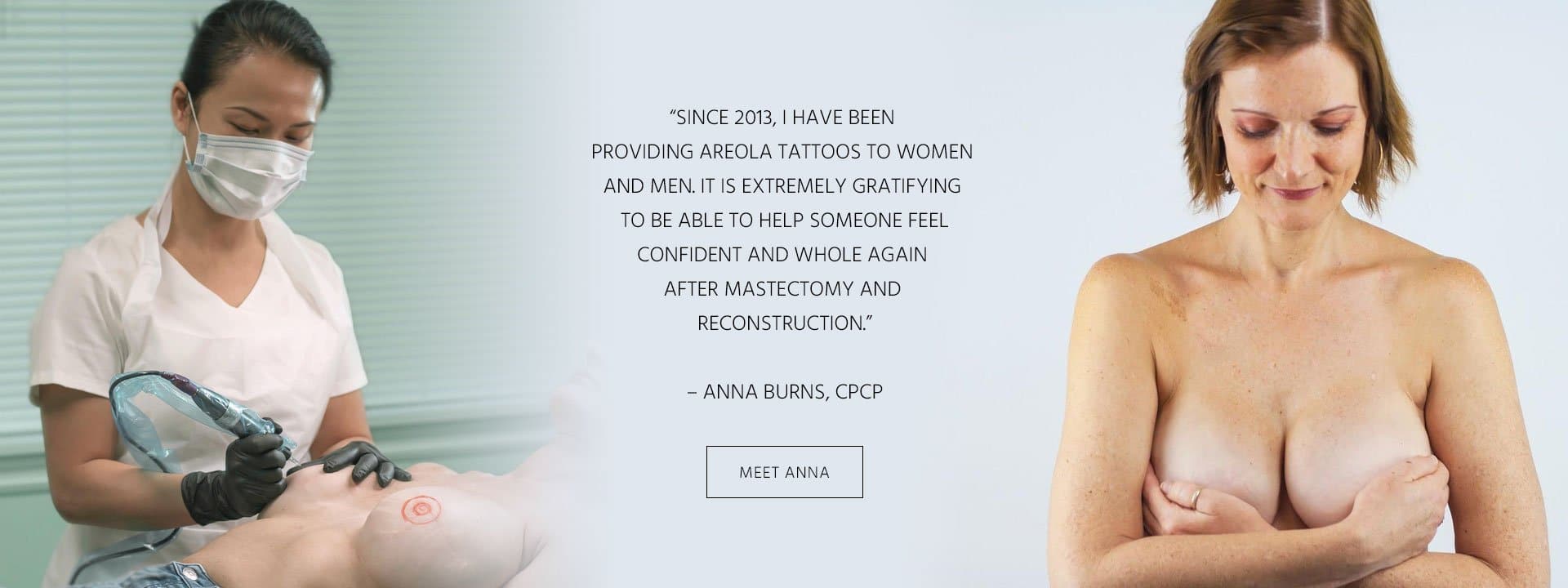
In the realm of permanent cosmetics, areola tattooing stands as a profoundly meaningful service — one that restores not just the appearance but often the confidence and emotional well-being of individuals who have undergone breast surgeries. Whether the goal is a subtle enhancement or a comprehensive restoration, understanding how the scale of the project affects every aspect of the process is crucial. This article delves into the distinctions between small and large areola tattoo projects, shedding light on how these differences influence planning, techniques, healing, and client experience.
Defining Small Versus Large Areola Tattoo Projects
At its core, an areola tattoo involves the precise application of pigment to recreate or enhance the natural coloration and texture of the nipple and areola complex. However, the complexity of each project can vary widely.
Small projects typically include minor touch-ups, color corrections, or the addition of subtle shading to an existing areola tattoo. These are often maintenance sessions or refinements that require less time and fewer pigment layers.
Large projects
The distinction between these scopes shapes everything from consultation to aftercare, making it essential for clients to recognize which category their situation falls into.
The Consultation Process: Tailoring to Project Scale
The initial consultation sets the foundation for success in any areola tattoo project, but it varies significantly between small and large undertakings.
For smaller projects, the consultation focuses on color matching, pigment selection, and understanding the client’s expectations for minor refinements. This session is usually shorter and more straightforward, dealing with existing tattoo conditions or subtle enhancements.
Conversely, large projects demand a comprehensive consultation that covers medical history, surgical timelines, skin condition, and psychological readiness. The artist collaborates closely with clients to develop a personalized treatment plan that addresses the nuances of their reconstructive journey. This may include multiple sessions and a detailed explanation of the 3D tattooing process.
Artistic Techniques and Tools: Scaling Up for Realism
Technique is where the difference between small and large projects becomes visible. Small touch-ups might only require light shading and subtle pigment layering. The goal is often to refresh or harmonize existing colors without overwhelming the natural skin texture.
In large projects, however, the artistry involves meticulous layering of custom pigments, needle configurations, and shading techniques to simulate the intricate details of a natural areola. 3D nipple tattooing, for instance, uses advanced shadowing and highlight methods to create depth and realism, which demands higher precision and time investment.
Tools also differ: while small procedures might use standard tattoo needles and pigments, large restorative works call for specialized equipment and carefully formulated pigment blends designed to complement reconstructed skin textures and tones.
Time Investment and Session Planning
One of the most tangible differences lies in the duration and number of sessions required. Small projects can often be completed in a single appointment lasting under an hour, providing a quick yet effective refresh.
Large projects, by contrast, usually span multiple sessions over weeks or months. The initial session may focus on establishing the base color and shape, with follow-ups refining details, enhancing 3D effects, and ensuring pigment stability. This staged approach allows skin to heal properly and pigment to settle, optimizing the final appearance.
Scheduling must be flexible to accommodate healing times and any necessary adjustments, which highlights the importance of clear communication and planning between client and artist.
Healing and Aftercare: Adapting to Project Complexity
Healing experiences differ based on project scale. Small touch-ups generally cause minimal skin trauma, resulting in a shorter recovery period and simpler aftercare routines. Clients might experience slight redness or dryness, which typically resolves quickly.
Large areola restorations, however, involve more extensive skin work and layering, necessitating meticulous aftercare to prevent pigment loss and infection. Aftercare protocols include gentle cleansing, avoiding sun exposure, and applying healing ointments. Clients may need to refrain from certain activities for longer periods to protect the treated area.
Furthermore, because large projects often involve scarred or reconstructed skin, monitoring healing progress is critical. Any irregularities can be addressed promptly through follow-up consultations.
Emotional and Psychological Considerations
The emotional impact of areola tattooing varies with the project’s scope. Small procedures often serve cosmetic enhancement purposes and can boost self-esteem through subtle improvements.
Large restorative projects, especially post-mastectomy or gender-affirming surgeries, carry deeper emotional weight. The tattooing process can symbolize reclaiming identity and wholeness after trauma or transformation. This aspect requires sensitive, empathetic care from the practitioner and sometimes psychological support for the client.
Recognizing these emotional dimensions is vital to fostering trust and ensuring a positive experience throughout the tattooing process.
Cost Factors: Understanding Investment Differences
Financial considerations naturally differ between project sizes. Small areola tattoo touch-ups are typically less costly due to shorter appointment times and fewer resources.
Large areola restorations represent a more significant investment because of the multiple sessions, advanced techniques, and personalized care involved. Clients should view this as an investment in long-term confidence and well-being, with costs reflecting the artistry and medical sensitivity required.
The Role of Location and Environment in Project Experience
Whether undertaking a small or large areola tattoo project, the studio environment plays a pivotal role in client comfort and safety.
Anna Burns Permanent Cosmetics, nestled in Atlanta, offers a sterile, welcoming space where customized pigment selection and advanced techniques are combined with a supportive atmosphere. The physical setting is designed to accommodate the differing needs of small refinements and extensive restorations alike.
Clients can uncover the transformative journey behind areola tattoo artistry by visiting the studio’s location, which reflects the professionalism and care emblematic of the practice.
Final Thoughts: Embracing the Journey at Any Scale
Whether pursuing a minor touch-up or a full areola restoration, understanding the distinctions between small and large projects empowers clients to make informed decisions and prepare adequately. From consultation through healing, each step adapts to the project’s scale, ensuring the highest standards of artistic precision and personalized care.
Anna Burns Permanent Cosmetics in Atlanta exemplifies this tailored approach, helping individuals navigate their unique reconstructive journeys with expertise and compassion. The scale of your project may change the process, but the commitment to your well-being and satisfaction remains constant.
For additional context on this topic, see uncover the transformative journey behind areola tattoo artistry.